
Country Director

- Marten Treffers marten.treffers@vikramshilafoundation.org
Agricultural Livelihood
Agriculture is one of the most important occupations throughout the world. In India, 58% of its population is directly dependent on agriculture. We depend on agriculture for our food, shelter, and clothing which are basic to our survival. Industries like genetic, extractive, and manufacturing depend on Earth’s core. Manufacturing industries like cotton, rubber, pharmaceuticals, cosmetics, etc., are totally dependent on agriculture as they use agricultural products as raw materials.
As a highly populated country, the landholding of the farmers in India is very small, sometimes not even sufficient for their livelihoods. Such marginal farmers live below the poverty line as their produce is not up to the mark in terms of quantity as well as quality and their crop can’t fetch them a good price in the market. This leads to a shortage of food, poverty, illness, inequality, migration, etc. Besides, over-exploitative and extractive practices result in soil depletion, pollution of water supplies, and extreme weather conditions.
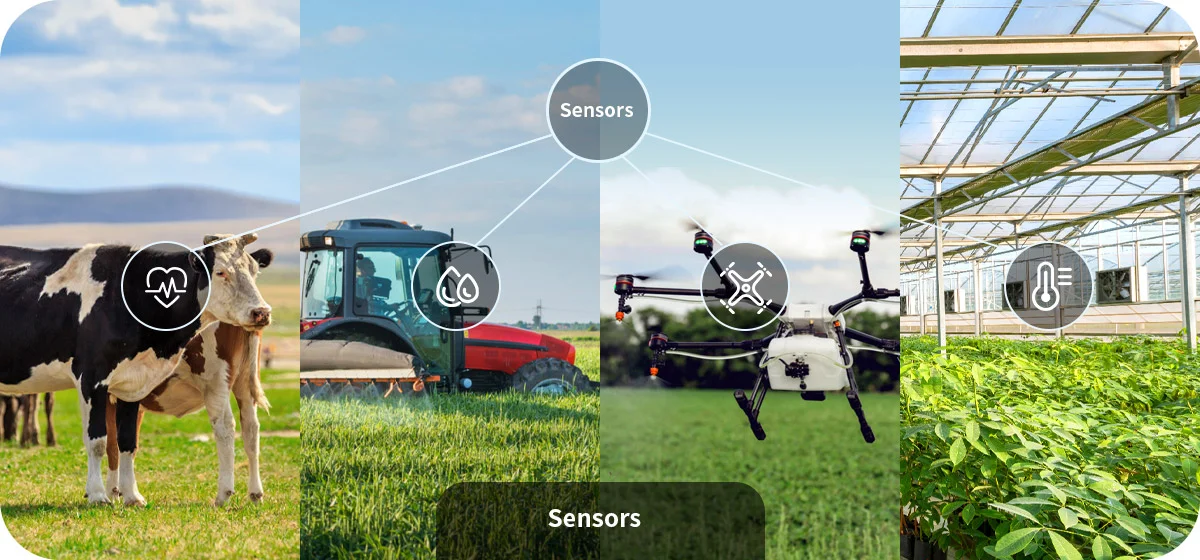
Vikramshila Foundation has laid down concrete positive measures to find a solution to these problems, our Life Supporters will not be compelled to take their own lives. A revolution can be brought about with innovations in the techniques of agriculture, like Advanced agriculture, Hybrid agriculture, Hydroponics or layered cropping and many more. All such techniques enhance yields, improve quality, provide uniformity, and protect it from diseases.
Relentless efforts are being made by our scientists in the field of research and innovation to increase productivity, food supply, income, and employment. The foundation lays stress on increasing productivity and profitability through testing, sharing, and scaling up eco-friendly practices which restore biodiversity, replenish the soil nutrients, and minimize waste. Farmers will be a part of the decision-making process which affects them. Special support will be provided to the rural communities with collective action for environmental protection and related activities, including climate change, biodiversity loss, and waste accumulation.